Electroreception
The bill senses electric fields in murky water, hunting by feel instead of sight. We ship the same way — instrumented early, watching for signal in the noise before we watch for opinions.
Species: Ornithorhynchus anatinus · Genus: open source
Platypus is a small collective of engineers who build tools by borrowing the right idea from the wrong field. No single discipline explains what we ship — that's on purpose.
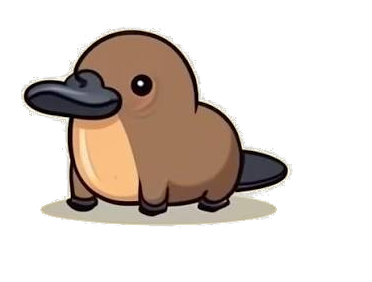
When it was first described, naturalists assumed the specimen was a hoax — fur stitched to a duck's bill. It wasn't. An egg-laying mammal with a sensory bill, otter feet, a beaver's tail, and a venomous spur was simply true, assembled from parts that evolved to solve entirely different problems.
We build software the same way. The best fix for a frontend problem sometimes comes from compilers, and a data problem sometimes bends toward biology. We don't defend our stack's coherence — we defend whether it works.
The bill senses electric fields in murky water, hunting by feel instead of sight. We ship the same way — instrumented early, watching for signal in the noise before we watch for opinions.
The shape exists because the problem demanded it, not because it matched anything else in nature. We'd rather hand-fit a tool to the actual shape of a problem than reach for the nearest framework.
Rarely used, and unmistakable when it is. Most of what we build is quiet and load-bearing — the occasional sharp opinion is reserved for the decisions that are hard to reverse.
It broke the category before the category existed. We're less interested in which box a project fits than in whether it's the right answer, taxonomy be damned.
Every project starts as a repository, not a roadmap deck. Follow along, file an issue, or fork what's useful — that's what the org is there for.
Explore Platypus on GitHub